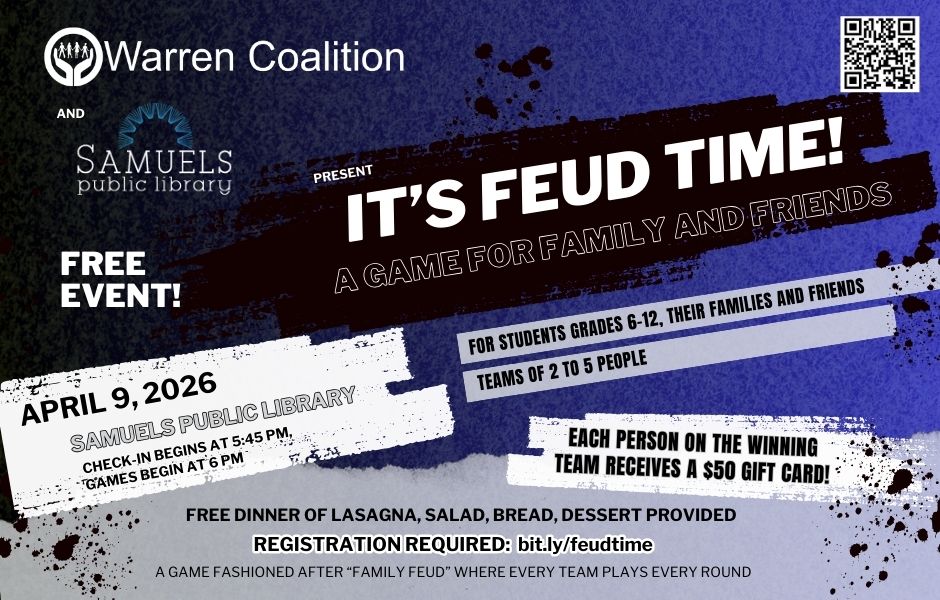
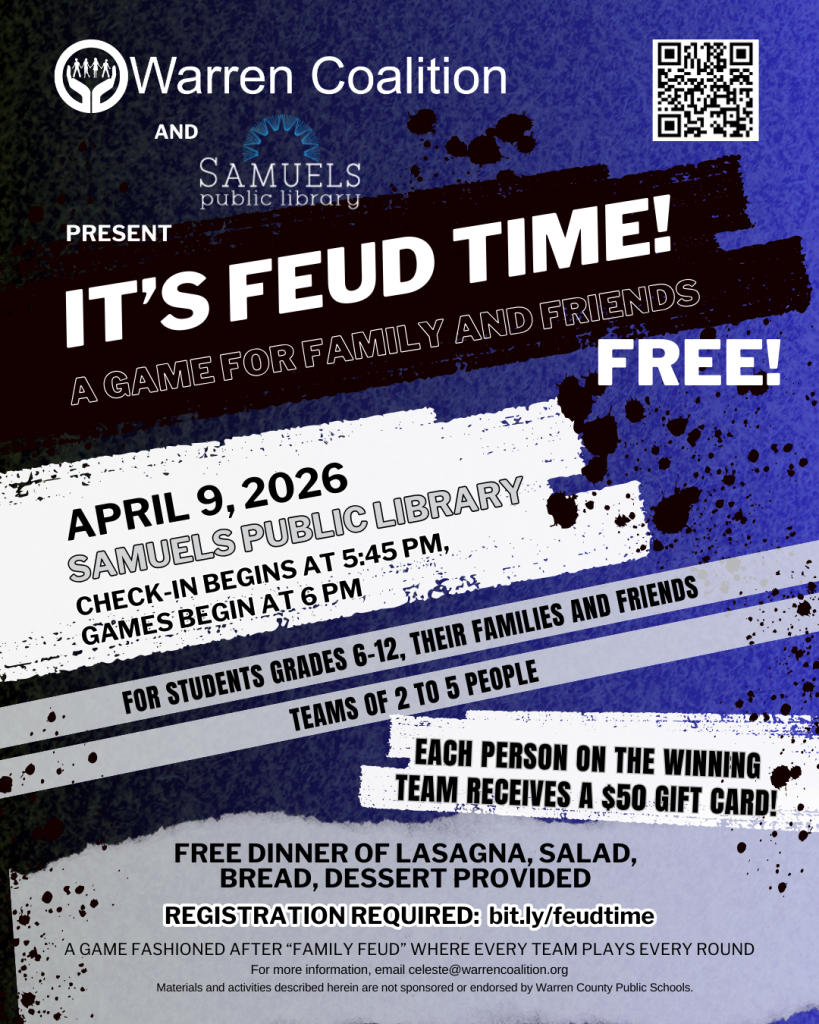
FRONT ROYAL, VA—Warren Coalition and Samuels Public Library are teaming up to host “It’s Feud Time!”, an evening of fun styled after the popular game show Family Feud. Teams of two to five people consisting of family and/or friends will compete against each other for the top prize: a $50 gift card for each person on the team (up to five people, $250 maximum per team). A dinner of lasagna, salad, dessert, and drinks will be served at no cost to attendees.
Some questions will center around popular topics, while others will relate to drugs and alcohol, mental health, smart phone usage, and resilience. Each team will write out their best guesses to the questions, so everyone has a chance to win!
This event is intended for middle school and high school students in Warren County, and their families and friends. There is no cost to attend, but registration is required. Complete the registration form at https://bit.ly/feudtime.
Warren Coalition is a nonprofit agency established in 1994 to help fill the gaps in health care and substance abuse awareness to the community. The Coalition began under the guidance of Warren Memorial Hospital as an outreach project, but it has since grown and was incorporated in 2001. The office is currently located in the Warren County Community Center. Their mission is to make Warren County a safe, healthy, and drug free community through many programs and in collaboration with 15+ member agencies.
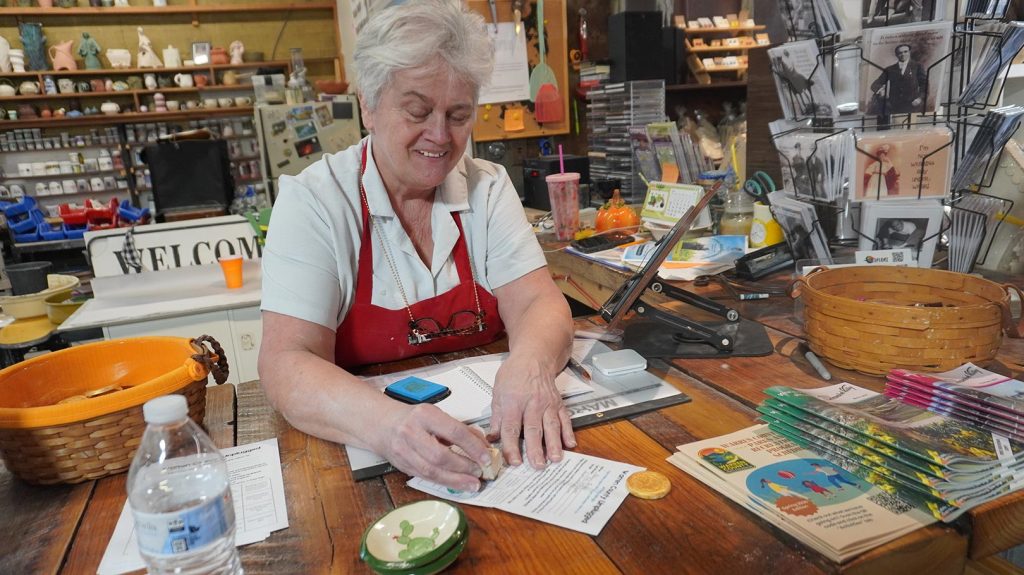
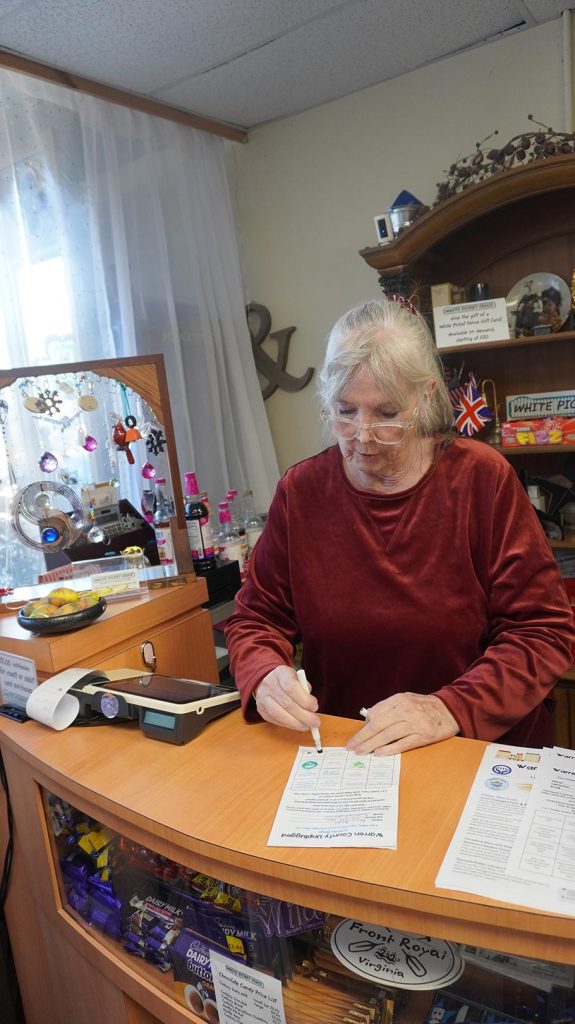
To help raise awareness of the dangers of excessive social media use, Warren Coalition created “Warren County Unplugged,” a community effort to encourage individuals of all ages to get off of their phones (or at least social media) for a day (or so). This 24-hour event is held in conjunction with the Global Day of Unplugging the first weekend in March, which was March 6-7 this year. During Warren County Unplugged, people of all ages are encouraged to sign up to unplug and were entered into a prize drawing for doing so. The first year, a total of 55 people signed up; the following year, that number was 108. This year, 132 signed up.
“We coordinate events all over the County, and the point of those events is to make it easier for folks stay off of their phones,” said organizer Celeste Brooks, Deputy Director of the Warren Coalition. “Our ultimate goal is to raise awareness about how social media impacts mental health, especially for our youth, and to get people to make a plan to stay off of their phones, or at least off of social media, for a little while.”
Since 2012, smartphone use by teens has increased, and anxiety, depression, and loneliness have skyrocketed. Social media companies deliberately designed their algorithms to be addictive, which could potentially prime the teen brain for substance use disorders (addiction) later in life. In fact, studies have already shown that teens who regularly use social media are more likely to buy cigarettes, drink alcohol, and/or use marijuana.
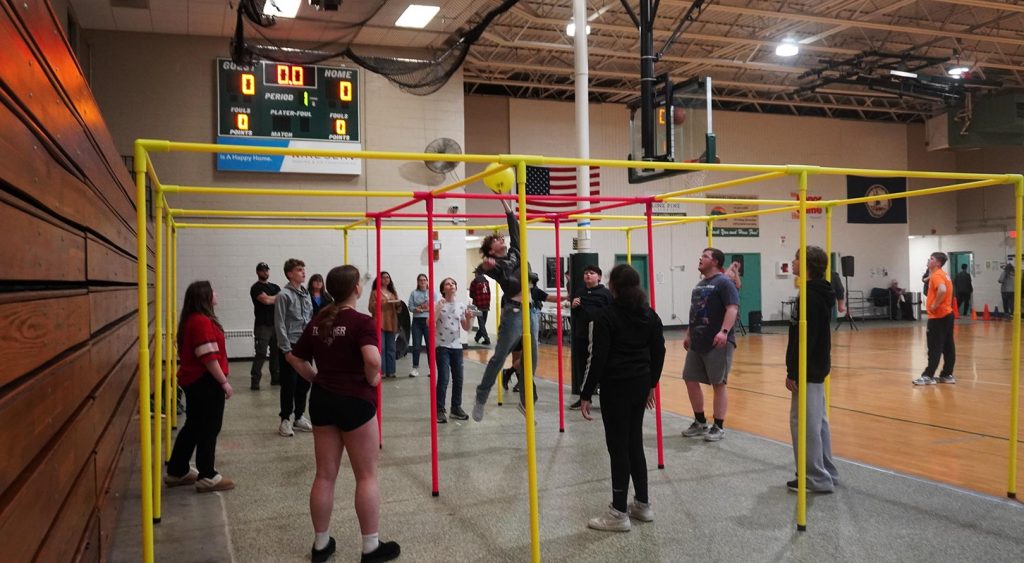
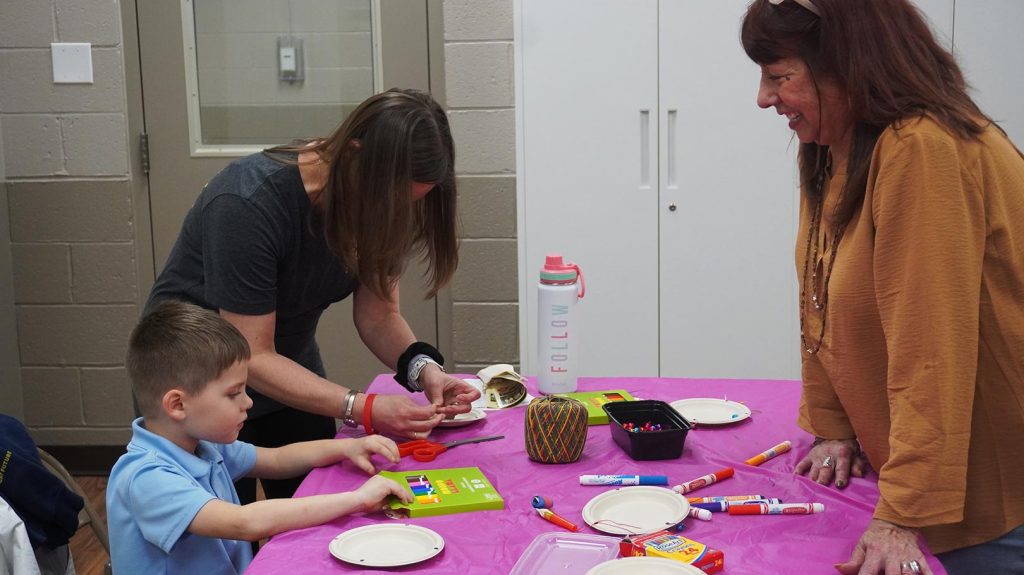
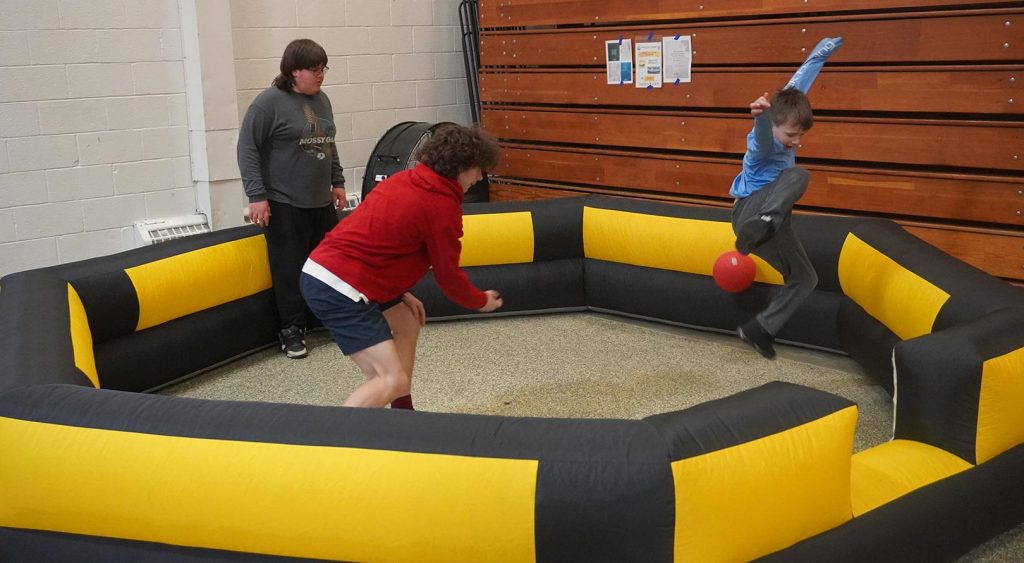
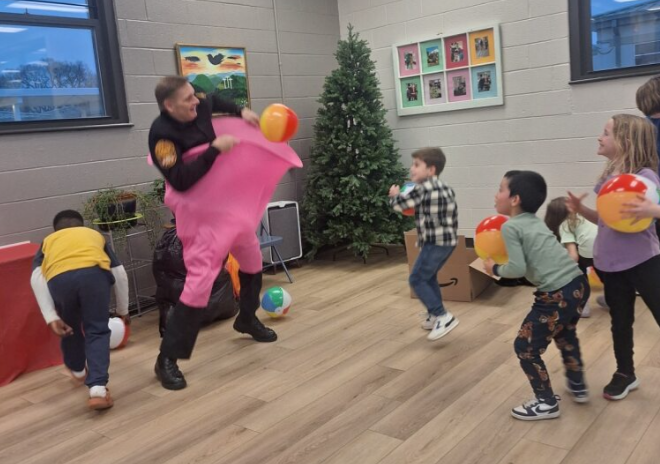
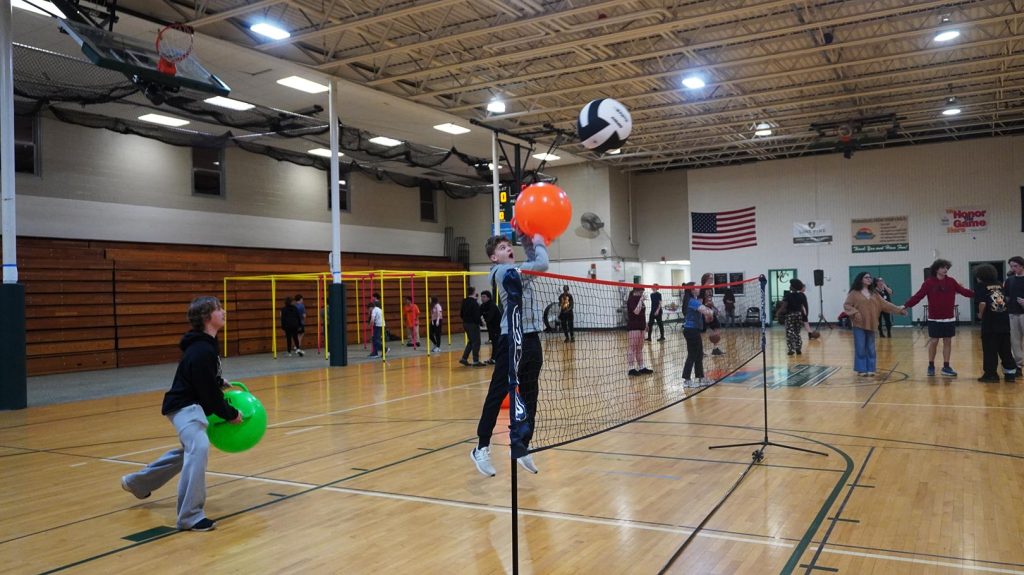
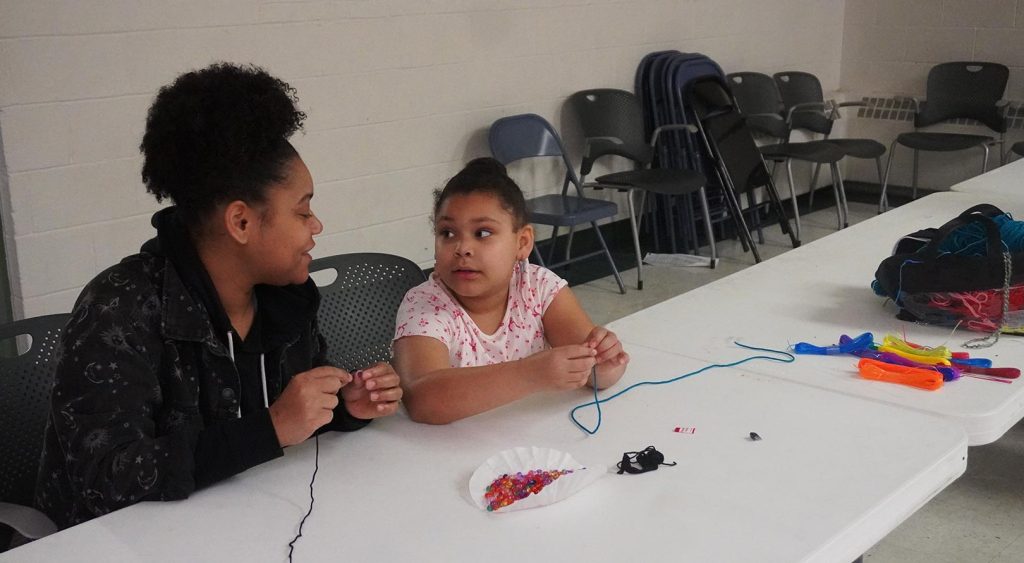
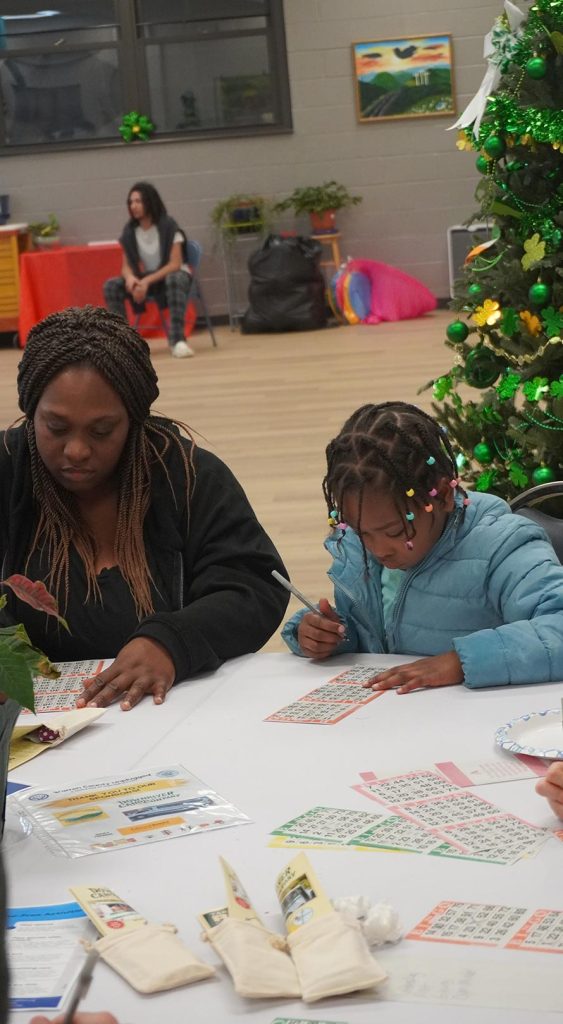
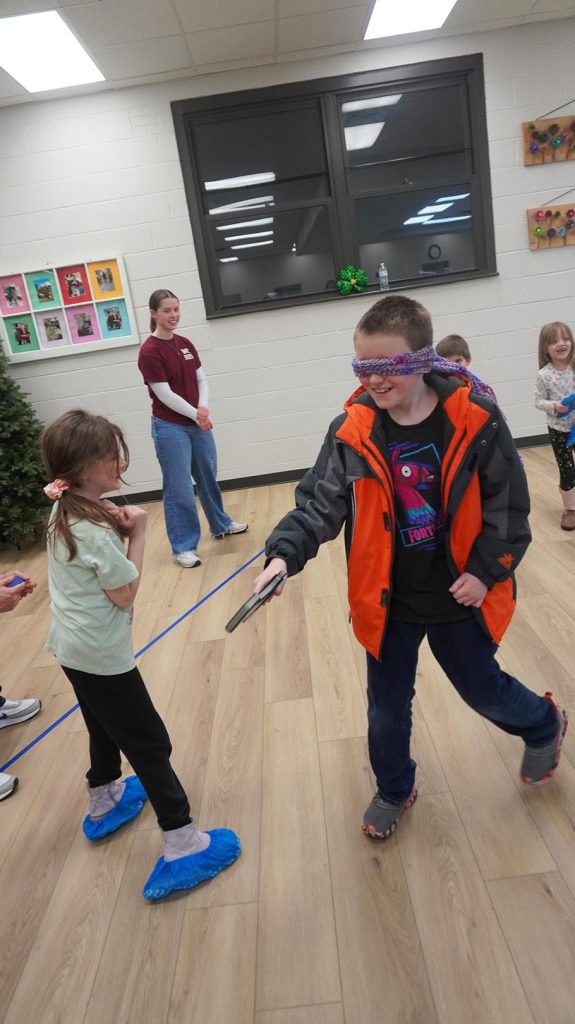
As part of this year’s Warren County Unplugged activities, children of all grade levels (and parents as well) enjoyed a variety of activities at Friday night’s Youth Unplugged Party, hosted by the Coalition, Warren County Parks & Recreation, Warren County Young Life, and Scouting America. Those activities included tossing beach balls into “granny pants” worn by Dave Goss and Ed Daley, The Quiet Game, arts and crafts, archery, bingo, 9-square in the air, Volley Bound, basketball, and an inflatable gaga pit.
“Warren Coalition hosted the elementary school student activities, and it was heart-warming to see the families enjoying time together without a phone in sight,” said Brooks.
Additional Friday evening activities included karaoke hosted by Reaching Out Now at Santmyers Student Union, a Scottish Cèilidh at Samuels Public Library, and a Hyper Party at the Royal Family Bowling Center. Brooks estimated that there were well over 350 people at the various events held on Friday evening.
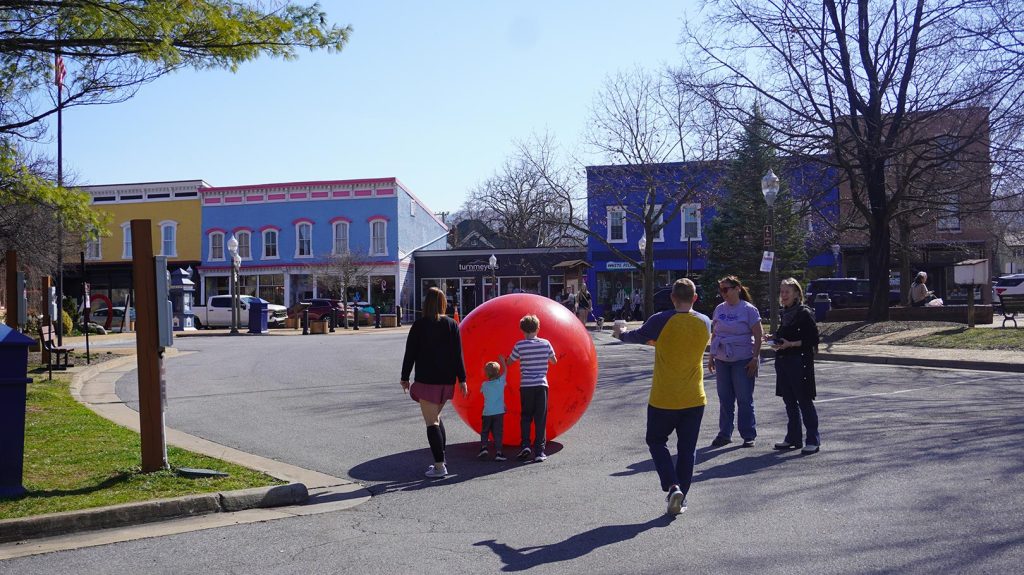
Saturday brought a push of attention to local retail stores and the downtown area, with kid-friendly stores like Play Favorites and Main Street Geek offering discounts and free activities. Habitat for Humanity of Warren County hosted Backyard Games at the Gazebo with an inflatable obstacle course and entertainment by the talented students from the School of Rock in Haymarket. On Cue Sports Bar hosted a casino-style fundraiser, and Ruby Yoga offered a discount on several classes throughout the day.
Altogether, 37 businesses and organizations came together to provide some sort of phone-free experience for the Warren County community. An additional 15 restaurants allowed the Coalition to place “table tents” of information on their tables in the weeks leading up to the event, helping to promote awareness of the risks of excessive social media use and awareness of Warren County Unplugged.
“We are deeply thankful that so many organizations recognize the importance of this event and the issue it addresses,” said Brooks. “This day helps us all become a little more aware of what the concerns are, for both ourselves and our kids.”
Those who signed up online are eligible for an upcoming prize drawing. A survey has been sent out to them, and those who complete it will receive an extra two entries into the drawing, which will be held on March 20th.
Warren Coalition is a nonprofit agency established in 1994 to help fill the gaps in health care and substance abuse awareness to the community. The Coalition began under the guidance of Warren Memorial Hospital as an outreach project, but it has since grown and was incorporated in 2001. The office is currently located in the Warren County Community Center. Their mission is to make Warren County a safe, healthy, and drug free community through many programs and in collaboration with 15+ member agencies.
Annual Run Supports Local High School Athletes and Students
Runners, walkers, and strollers (both the ambling kind and the baby-carrying kind) are invited to a heart-healthy event that raises funds for our local high school students! Edward Jones and Warren Coalition are teaming up to host the Edward Jones 5K Race for Education, which benefits the local high school cross country teams and students who need financial assistance for advanced classes.
This year’s race will be held Saturday, March 28th at Warren County Middle School, with registration beginning at 8 am and the race going off at 9 am. The course for this rain or shine event follows the length of Leach Run Parkway and back. Runners and walkers of all levels are encouraged to participate. Baby strollers and leashed dogs are also welcome.
Half of what is raised in this annual fundraiser supports the Warren County High School and Skyline High School cross country teams. The other half provides financial assistance for local high school students to help cover costs associated with Advanced Placement and dual-enrolled courses, such as lab fees and books.
Learn more on the Facebook page at facebook.com/EdwardJones5k, or visit https://bit.ly/ej5k2026 to pre-register for the race. Early registration is currently $25 per adult participant and $20 for students; children four and under are free. The early bird registration prices are good through March 12th, then registration fees will increase by $5. Same-day registrations will be accepted.
About Edward Jones Edward Jones is a leading North American financial services firm in the U.S. and through its affiliate in Canada. The firm’s more than 20,000 financial advisors throughout North America serve more than 9 million clients with a total of $2.2 trillion in client assets under care as of December 31, 2024. Edward Jones’ purpose is to partner for positive impact to improve the lives of its clients and colleagues, and together, better our communities and society. Through the dedication of the firm’s approximately 54,000 associates and our branch presence in 68% of U.S. counties and most Canadian provinces and territories, the firm is committed to helping more people achieve financially what is most important to them. The Edward Jones website is at www.edwardjones.com, and its recruiting website is www.careers.edwardjones.com. Member SIPC.
About Warren Coalition Warren Coalition is a nonprofit agency established in 1994 to help fill the gaps in health care and substance abuse awareness to the community. The Coalition began under the guidance of Warren Memorial Hospital as an outreach project, but it has since grown and was incorporated in 2001. The office is currently located in the Warren County Community Center. Their mission is to make Warren County a safe, healthy, and drug free community through many programs and in collaboration with 15+ member agencies.
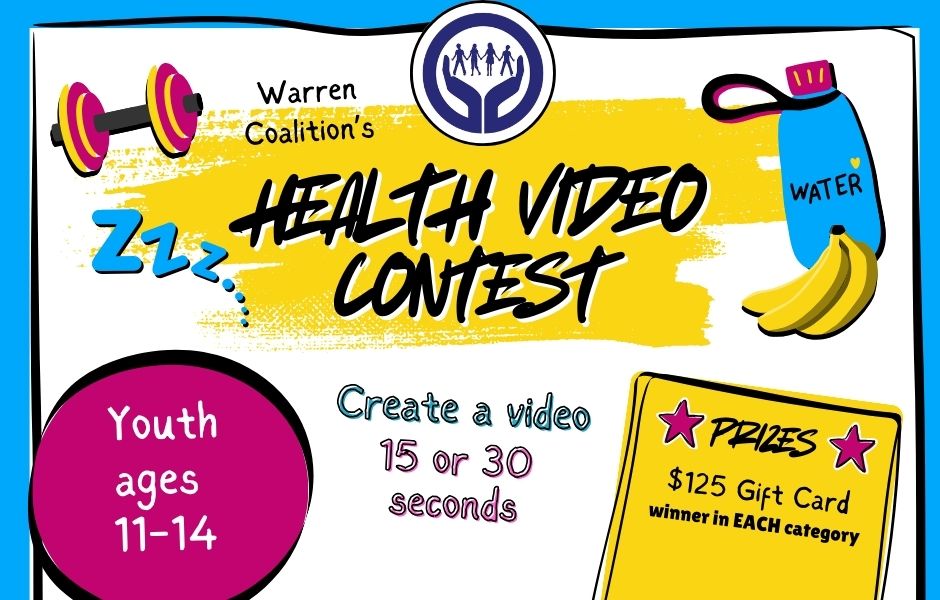
Warren County youth ages 11-14 are invited to submit a short video for the Warren Coalition’s Health Video Contest, running now through March 27th! The challenge is to create a 15-second or 30-second video promoting one of the following four healthy habits:
Getting Quality Sleep
Eating Healthy
Exercising Regularly
Drinking Water
Students can submit their original video to warrencoalition.org/health-video-contest between now and March 27th. Winners from EACH category will receive a $125 gift card! Students may submit one video for each category. All Warren County residents ages 11-14 are eligible for this competition, whether they are homeschooled or enrolled in public or private school.
“If I could give one tip to the students,” said Warren Coalition Deputy Director Celeste Brooks, “it would be to make sure you have good quality audio. Each year, the Coalition receives really creative submissions that lose because we can’t understand all of what is being said. Avoid recording at times and places when the wind is strong or there is a lot of background noise.”
Music should be omitted from the video unless it is royalty-free music. By submitting a video, a contestant gives Warren Coalition permission to use the video on their website and social media, and in commercials (including, but not limited to, social media, OTT, online or broadcast) to help promote healthy choices among youth.
This event is sponsored by the Warren Coalition, made possible by Project WAHOO (Working to Achieve Healthy Opportunities and Outcomes), funded by Virginia Foundation for Healthy Youth. For questions or more information, contact Celeste Brooks at celeste@warrencoalition.org
Misunderstandings increase when people hide behind keyboards instead of gathering and talking face-to-face. The market has introduced toys with AI (artificial intelligence) toys that seek to provide children with emotional connections that should be coming from other human beings. Social media continues to feed us with divisive feeds, using algorithms that don’t care about truth, but only how long you stay on the platform. Teens on social media excessively are exposed to more bullying and experience higher levels of anxiety and depression.
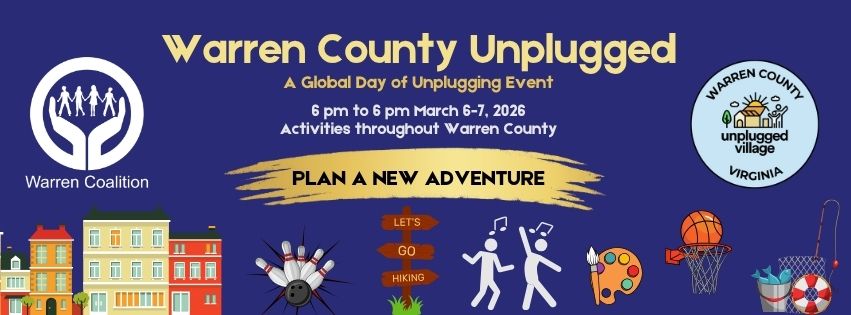
Technology itself isn’t the enemy, but our dependence upon it and how it is used certainly can be. Warren County Unplugged, organized by Warren Coalition as part of the Global Day of Unplugging, is a chance for us all to take stock of where we are in relation to social media, AI, and screens in general. Now in its third year, Warren County Unplugged will take place from Friday, March 6th through Saturday, March 7th, sundown to sundown. Participants are encouraged to sign up to pledge a reduction in social media and/or screen use during the 24-hour period, in exchange for being entered into prize drawings. This year’s prizes already include gift cards from Downriver Canoe Company and Hibachi Fresh, the latter of which were donated by Our Community Co-op Marketing.
“Our dependence on screens, social media, and AI has a negative impact on our ability to relate to each other, our mental health, and overall wellbeing,” explained organizer Celeste Brooks, Community Outreach Coordinator of the Warren Coalition. “We encourage folks to completely unplug for the 24 hours of Warren County Unplugged, but each person sets their own goal, which can include a smaller timeframe or partial unplugging. For example, you might choose to turn off your phone and focus on your family during meals or get off of Facebook for the day.”
From Friday evening to Saturday evening, local organizations and businesses are offering in-person activities, sales, and workshops to provide a distraction from the screens and make it easy to spend time with family, friends, and neighbors. Warren Coalition, Warren County Parks & Recreation, Scouting America, and Young Life will host the “Youth Unplugged Party” for youth of all ages at the Health and Human Services Complex at 465 W 15th St on Friday evening, March 6th. There will be a 3-on-3 volleyball tournament, backyard games, crafts, bingo, archery, and more! Additional information will be released in the coming weeks. That same evening, Samuels Public Library is hosting a Scottish Céilidh, which is a Scottish dance fundraiser that would make a great “phone-free” date night.
Various activities are already lined up for Saturday, March 7th. For the third year, Phoenix Project will encourage students to submit artwork during the week leading up to Warren County Unplugged, with an art show scheduled on the 7th. Jig ‘n’ Jive Dance Studio will kick off their annual Pot o’ Gold Scavenger Hunt that weekend. Habitat for Humanity plans to host a block party at the gazebo, weather permitting. Shenandoah River State Park will provide day passes that will be given away randomly at events throughout the weekend and also host two vernal pool explorations. Play Favorites, Explore Art & Clay, C & C Frozen Treats, and Down Home Comfort Bakery have all committed to hosting activities or sales, with details to be released soon. New to the events this year is On Cue’s Viva Unplugged, a fun, casino-style raffle fundraiser that will help support Warren County Unplugged!
Warren Coalition is thankful to the businesses that have stepped up to sponsor this event: On Cue, Downriver Canoe Company, Angels Korner Daycare and Learning Center, Mountain Laurel Montessori School, and Bret Hrbek of Edward Jones. A few additional sponsors are still needed, to help offset the costs of promoting the 24-hour challenge, printing educational materials, and providing prizes for various contests and games. Sponsorships levels are $500, $250, or $100. Gift cards of $10 to $50 and kid-friendly prize items are also welcome!
Businesses and organizations that would like to be a part of this effort in any way can contact Celeste Brooks at celeste@warrencoalition.org or 540-660-3367.