Category: Alcohol and Drug Education

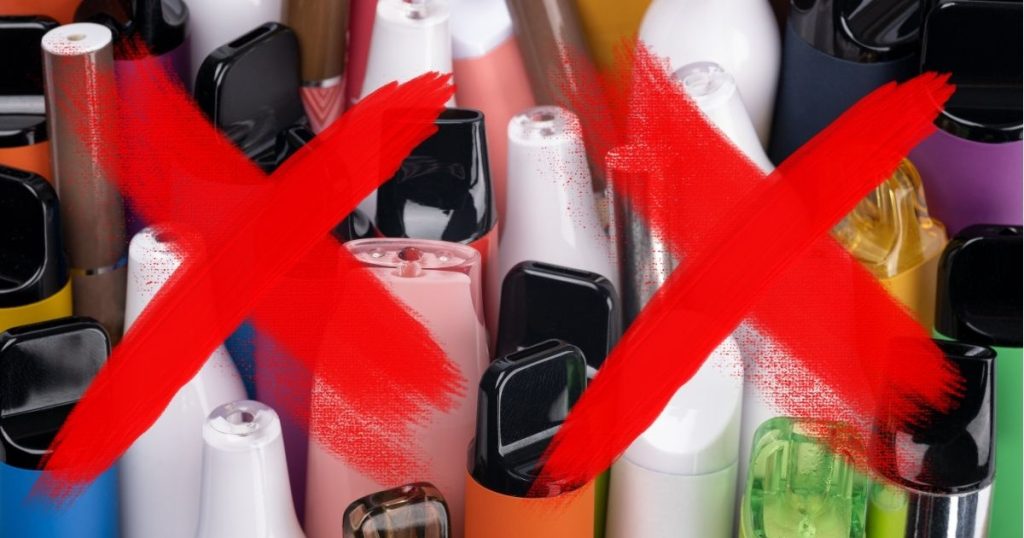
  • Vape or Pouch, It’s Still Nicotine

    Vape or Pouch, It’s Still Nicotine

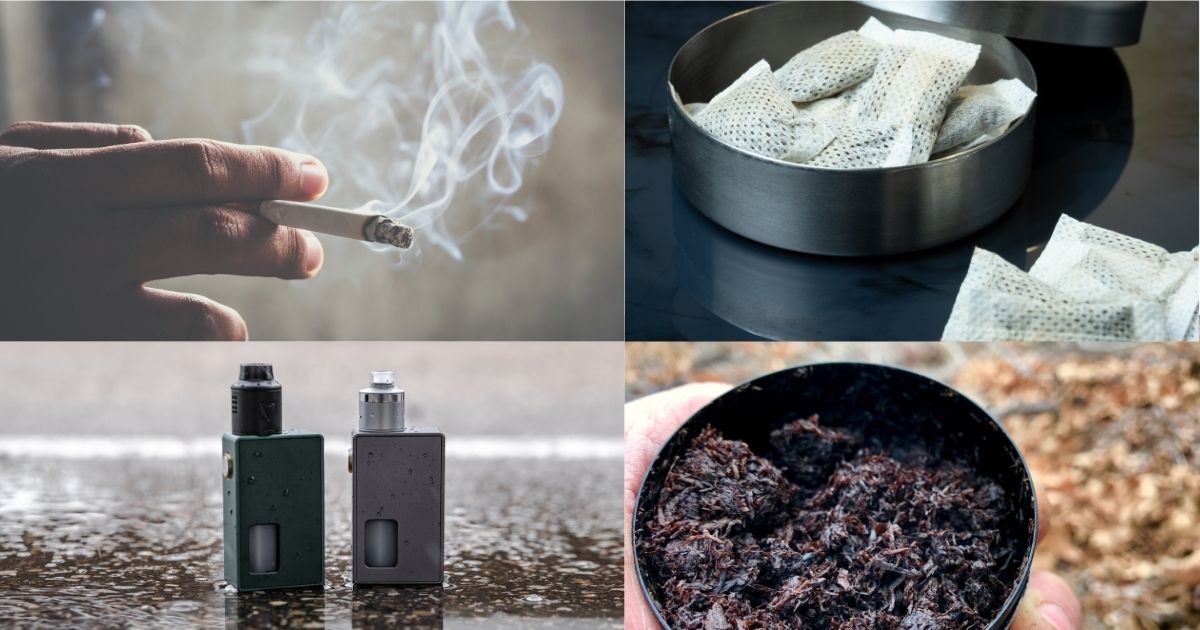
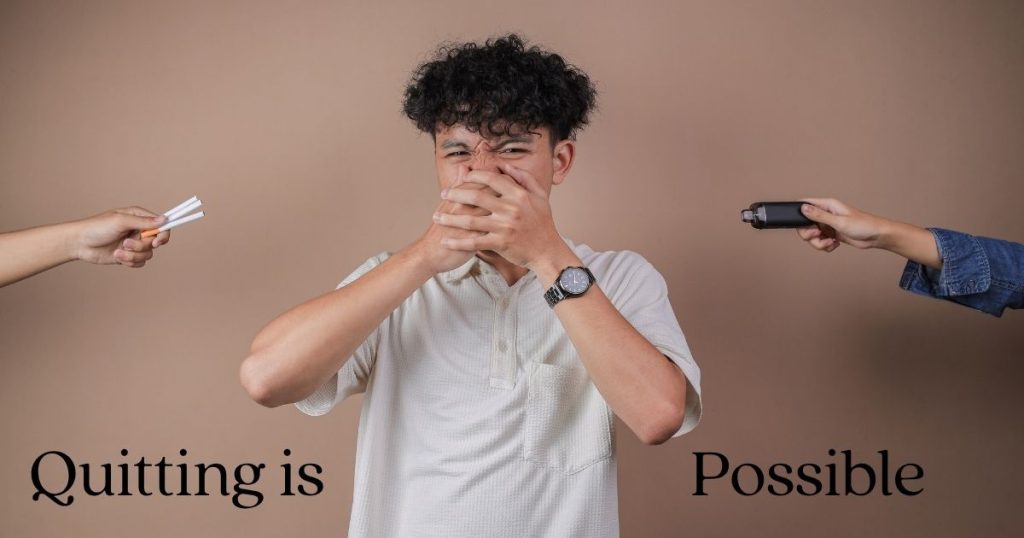
    The addictive nature of nicotine makes it one of the most difficult substances use disorders to overcome. People often transition from one form of nicotine use to another as they attempt to reduce their usage or quite altogether. At the same time, they are constantly bombarded by targeted marketing ads, some of which may lead them to believe that “everyone is doing it” or that a different form of the drug may be “less harmful.” Big Tobacco certainly knows what it’s doing–all of the ads can trigger a craving in someone who is trying to quit nicotine usage, making the goal more difficult to obtain.

    While many resources regarding cessation over the past few years have shifted from being tobacco-focused to being vape-focused, it cannot be ignored that pouches such as Zyn have become exceptionally popular as well, with Tik Tok “Zynfluencers” leading the charge. The fact that there is a newer form of nicotine that is socially acceptable doesn’t make it safe. The chance of addiction is high for daily users of Zyn, simply because it contains nicotine.

    We also know that the pouches contain sodium carbonate and sodium bicarbonate, which can corrode gum tissue, causing inflammation, recession, ulcers, lesions, tissue peeling, and/or raw spots. At this point, it is unclear exactly what health risks pouches pose, because they are so new to the market and there has been so little research completed. That being said, it is important to remember that nicotine itself, in any form, can cause nausea, stomach irritation, elevated heart rate, high blood pressure, and other health problems. Among teens and young adults, whose brains are still developing, nicotine may alter brain development, impacting attention and learning.

    The Time to Quit is Now

    The healthiest choice is to not use any type of nicotine product, but if you or someone you know is already using a nicotine product, and you’re ready to quit, check this resource from Virginia Foundation for Healthy Youth (VFHY) for a variety of cessation programs:

    In addition to this list of cessation programs, the VFHY guide includes resources for educators, school administrators, prevention professionals, and community partners who want to learn more about tobacco and nicotine prevention and youth cessation. The topics include:

    • Alternatives to Suspension
    • Digital, Self-Paced Programs
    • Educational Materials for Purchase
    • Fact Sheets and Multimedia Resources for Educators

    Warren Coalition is a VFHY grant recipient. The grants help fund the DEALS HOPE drug education programs in local schools as well as Project WAHOO.


    Additional Resources

    https://www.medicalrecords.com/consumers/zyn-side-effects-an-in-depth-exploration-of-risks-management-and-implications

    https://www.scientificamerican.com/article/the-health-effects-of-fda-authorized-zyn-nicotine-pouches

    https://www.nbcnews.com/health/health-news/zyn-nicotine-pouches-tobacco-free-health-harm-rcna157214

  • Medication Assisted Recovery for OUD

    Medication Assisted Recovery for OUD

    Opioid Use Disorder (OUD) is an illness. Sometimes, to recover from an illness, we just need rest and time for our bodies to heal. But sometimes, we need medication to help our bodies fight the disease. 

    Medication-Assisted Treatment (MAT), also known as Medication for Opioid Use Disorder (MOUD) or Medication-Assisted Recovery (MAR), provides the tools needed to overcome OUD. It combines medication with therapy to give a person a better chance at overcoming the addiction and entering long-term recovery. The medication assists the body, while the therapy helps address past trauma and develop coping and healthy living skills.

    (Note: Although MAT is still the more widely used acronym, we want to focus on the recovery journey, and will use the term Medication-Assisted Recovery (MAR) in this article.)

    One person, Jennifer, described MAR as giving her time. Because the medication stopped the cravings, it gave her the opportunity to do the hard work of repairing relationships, healing from past trauma, and building the skills needed for long-term recovery. Once significant progress was made in those areas, she was able to address her physical addiction to opioids.

    No one’s recovery journey looks the same. Some people use medication and some don’t. The ultimate goal is full recovery, regardless of how long that takes or what path is used to get there. 

    Why MAR Is Needed

    Our brains have opioid receptors, and opioids attach themselves to these receptors. That triggers responses within our brains and our bodies, including pain relief. Opioids overwhelm our body’s natural responses and throw us out of balance. Although the video below is an older one, it gives a good explanation of what happens in addiction.

    Because the withdrawal from opioids can be so overwhelming, medication can help.

    Medication Options

    Any substance that activates the opioid receptor is referred to as an opioid agonist. Medications are typically partial agonists or full agonists. Below is a brief overview of the three types of medication. It is important that you speak with a medical professional to determine the best medication for your needs. Our peer recovery specialists can offer some insight on the experiences they have had or witnessed, but they cannot provide medical advice.

    Buprenorphine 

    Brand names: Sublocade, Brixadi, Subutex, Butrans, Belbuca, Buprenex. Suboxone (referred to in the video of Alex’s story at the top of this page) is a combination of buprenorphine and naloxone.

    This medication suppresses and reduces cravings for opioids. As an “opioid partial agonist,” it mimics the effects of powerful opioids, but at a much weaker level. It is a unique medication that helps decrease the physical addiction to opioids, even easing withdrawal symptoms. Learn more on SAMHSA’s website.

    Methadone 

    Brand names: Dolophine, Methadose, Methadose Sugar-Free, Diskets

    Methadone is a long-acting opioid agonist. It reduces opioid cravings and withdrawal symptoms. It also blunts the effects of opioids.  While it is considered an opioid, it does not produce the same “high” of other opioids. When first started, it must be taken under the supervision of a licensed practitioner. Learn more about this medication.

    Naltrexone 

    Brand names: Vivitrol, Revia, Depade

    Naltrexone is used to treat OUD as well as alcohol use disorder. It is an extended-release medication that is given through a shot that lasts 30 days, or in a pill form. Naltrexone is not an opioid, it is not addictive, and it does not cause withdrawal symptoms when a person stops using it. It binds and blocks the opioid receptors, which in turns blocks the euphoric and sedative effects of opioids—and that results in suppressed opioid cravings. It is recommended that a person does not use Naltrexone unless they have been without short-acting opioids for seven days and long-acting opioids for 10 to 14 days, to minimize withdrawal symptoms.  Learn more about naltrexone. 

    Choosing the Right MAR for Your Recovery

    There are many things to keep in mind as you consider MAR. You need people on your MAR team. Asking for help takes courage, but a successful recovery takes teamwork. A doctor will work with you on your medication decisions. A therapist can help you add skills to your toolbox, to help build up your mental health. A support group can provide you with encouragement, understanding, and advice. There are people in your community who want to help you succeed.  

    It’s up to you to take the first step.  Want to start now? Reach out to one of our Peer Support Specialists:

    James Funkhouser
    james@warrencoalition.org
    540-325-6066

    Heather Rollins
    heather@warrencoalition.org
    540-575-0999


    For more information:

    https://www.samhsa.gov/substance-use/treatment

    https://www.samhsa.gov/substance-use/treatment/options

    https://americanaddictioncenters.org/addiction-medications

  • Teens Choose Health Over Alcohol

    Teens Choose Health Over Alcohol

    The promotion of drinking among teens in TV shows and movies might have you thinking that most teens are drinking alcohol on a regular basis, but that idea is not backed up by statistics. According to the 2023 National Survey on Drug Use and Health, only 6.9% of adolescents aged 12 to 17 reported drinking alcohol within the past 30 days. The majority of middle school and high school students under 18—93.1% of them—are making healthy choices.

    When you factor in students 18 to 20, that percentage does jump to 14.6%, but that still means that most people under the age of 21 (85.4%) have not had any alcohol in the past 30 days. That statistic surprises most people.

    Why Teens and Young Adults Choose Not to Drink Alcohol

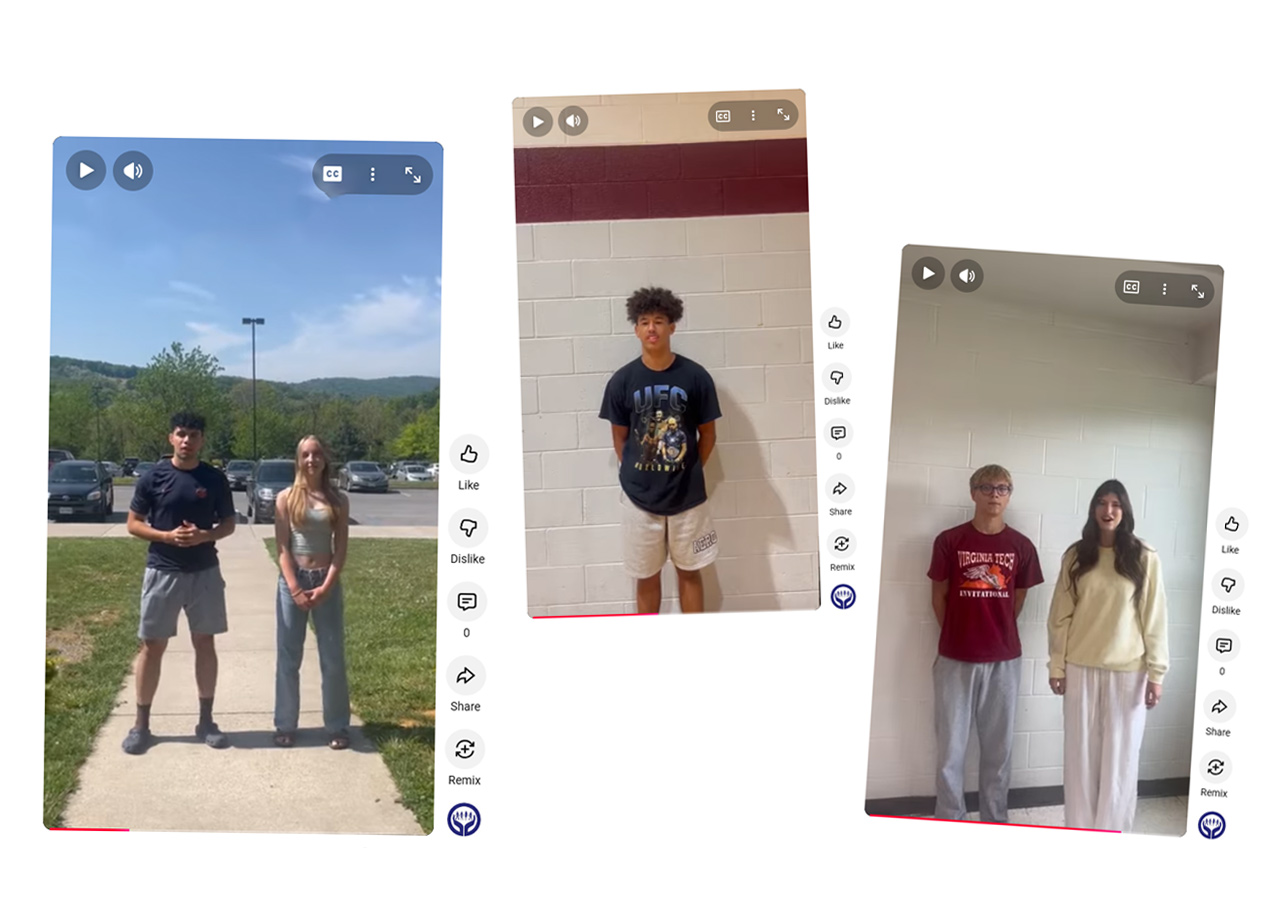
    At one of our local high schools, National Honor Society members asked various students why they choose not to drink. As you can see in the video, the answers varied, but the two most common responses are:

    • Because I’m an athlete.
    • It causes health problems.

    More teens are making the choice not to drink alcohol, and this trend is not limited to the U.S.  A 2023 study in New Zealand found that social media and spending time online are replacing drinking and partying. In addition, not drinking has become more normalized and accepted. And a greater respect for personal choice has also decreased the social pressure to drink.

    Health Risks Presented by Underage Drinking

    There several health risks that are reduced by waiting until you are 21 or older to drink alcohol. They include the following:

    • The brain continues to develop until age 25 for men and age 22 for women. Drinking as a teenager can adversely affect this development, potentially impacting memory. Waiting until later helps protect the brain.
    • Drinking alcohol can inhibit growth.
    • Each year, approximately 4,000 people under the age of 21 die from excessive alcohol use.  
    • Alcohol has a negative impact on your ability to make sound decisions. This can lead to a variety of negative consequences. For example, it may cause a short temper, which in turn can lead to fights and injuries. It can also lead to sexual violence.
    • Alcohol is a depressant. If you are trying to self-medicate because you are in emotional pain, alcohol will make it worse, even if that doesn’t seem true at first. This can lead to lower grades, missing school, or even suicide.
    • People who start drinking before the age of 15 are at a higher risk for developing alcohol use disorder (AUD) later in life. (See the NIAAA website for more information.)

    Many people are surprised to learn that alcohol has also been linked to various types of cancer, including mouth and stomach cancer.

    Making Healthy Choices

    You have the right to choose what goes into your body. Don’t let anyone pressure you into drinking. Decide on your reasons to not drink ahead of time and keep your focus there. If you are feeling unsafe or pressured to drink, call your parent or a trusted adult to come get you.

    If you are tempted to drink (or do already) due to emotional or physical pain in your life, reach out to someone for help. Learning other coping mechanisms, such as exercising, gardening, singing, painting, talking with others, and journaling, can help. It can be hard to work through the pain, but with support from others, you can do it. You are not alone.


    Additional resources:

    https://www.cdc.gov/alcohol/underage-drinking/index.html

    https://www.niaaa.nih.gov/publications/brochures-and-fact-sheets/underage-drinking