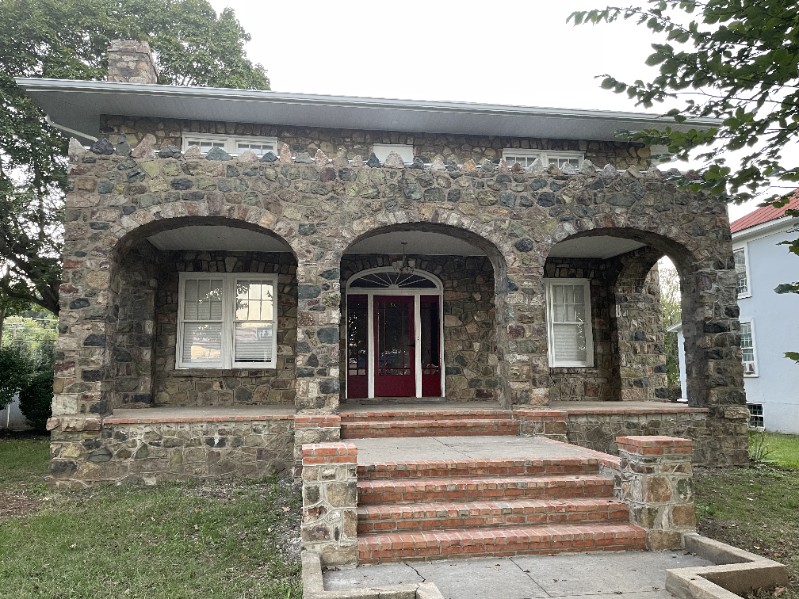
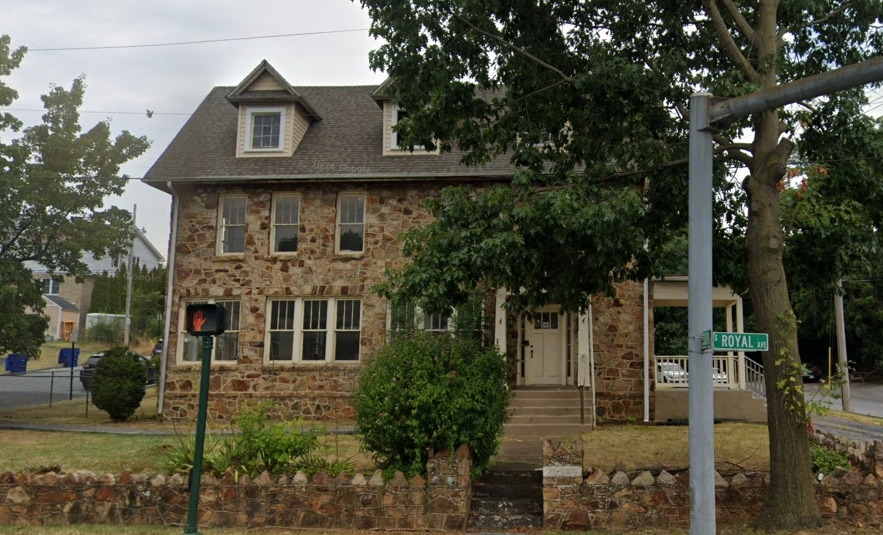
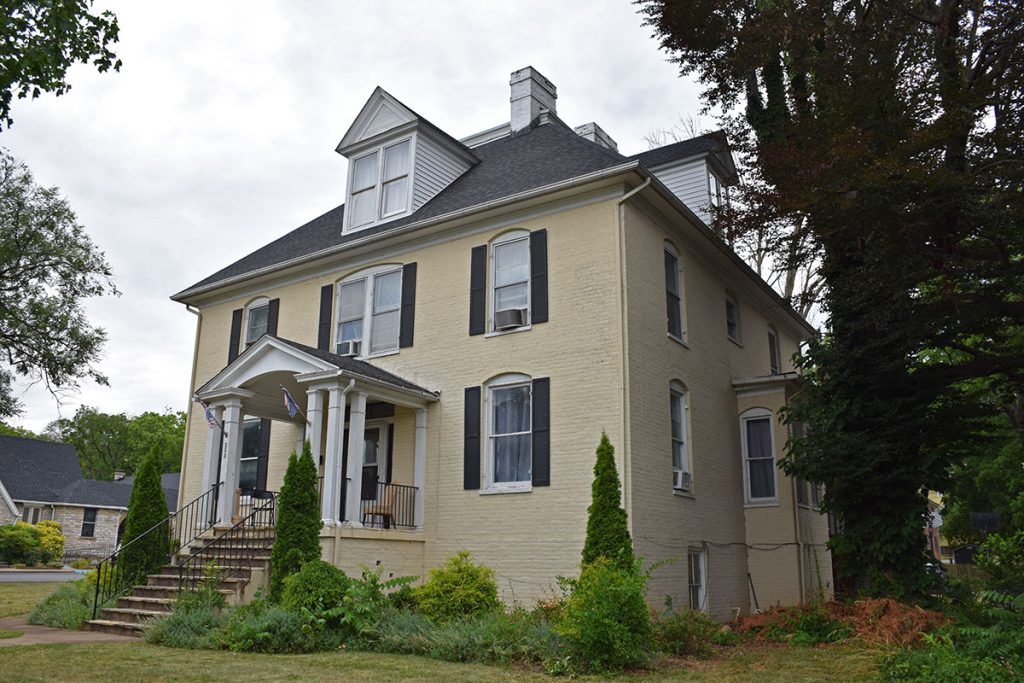
“Accomplishing this was important to us because we want people to know that we value them, that they matter, and that we’re there to support them,’” said Warren Coalition Executive Director Christa Shifflett. “Recovery is hard work. Providing a place where they are proud to live shows that we respect them and the challenge of their journey. Recognizing and honoring their journey and courage is a way to show them that they matter.”
VARR certification is primarily a regulatory and compliance process. It does not provide the Coalition with complimentary access to resources or services, but demonstrates that their recovery houses meet the required standards for certification. The certification process required extensive documentation, including detailed written policies and procedures covering every aspect of the recovery homes. There was a comprehensive home inspection that evaluated cleanliness, adequate sleeping accommodations, posted rules and required documentation, and overall resident safety.
VARR certification demonstrates the Coalition’s commitment to providing consistent, high-quality care while maintaining compliance with HIPAA and 42 CFR Part 2 privacy regulations. It reinforces the organization’s commitment to protecting resident confidentiality, maintaining a safe and healthy living environment, ensuring appropriate accommodations, and delivering person-centered services within established regulatory standards.
“While many of these values have always been central to our program, certification provides an additional level of accountability and reassurance that these standards are consistently maintained,” said Warren Coalition employee Julia Laurent, who led the process in obtaining the certification. Laurent serves as a Certified Substance Misuse Counselor for the Coalition.
Shifflett noted that along with the VARR certification, the Coalition also received Virginia certification through Department of Behavioral Health and Developmental Services (DBHDS), which qualifies the Coalition to apply for funding from DBHDS in the future.
Opioid Use Disorder (OUD) is an illness. Sometimes, to recover from an illness, we just need rest and time for our bodies to heal. But sometimes, we need medication to help our bodies fight the disease.
Medication-Assisted Treatment (MAT), also known as Medication for Opioid Use Disorder (MOUD) or Medication-Assisted Recovery (MAR), provides the tools needed to overcome OUD. It combines medication with therapy to give a person a better chance at overcoming the addiction and entering long-term recovery. The medication assists the body, while the therapy helps address past trauma and develop coping and healthy living skills.
(Note: Although MAT is still the more widely used acronym, we want to focus on the recovery journey, and will use the term Medication-Assisted Recovery (MAR) in this article.)
One person, Jennifer, described MAR as giving her time. Because the medication stopped the cravings, it gave her the opportunity to do the hard work of repairing relationships, healing from past trauma, and building the skills needed for long-term recovery. Once significant progress was made in those areas, she was able to address her physical addiction to opioids.
No one’s recovery journey looks the same. Some people use medication and some don’t. The ultimate goal is full recovery, regardless of how long that takes or what path is used to get there.
Why MAR Is Needed
Our brains have opioid receptors, and opioids attach themselves to these receptors. That triggers responses within our brains and our bodies, including pain relief. Opioids overwhelm our body’s natural responses and throw us out of balance. Although the video below is an older one, it gives a good explanation of what happens in addiction.
Because the withdrawal from opioids can be so overwhelming, medication can help.
Medication Options
Any substance that activates the opioid receptor is referred to as an opioid agonist. Medications are typically partial agonists or full agonists. Below is a brief overview of the three types of medication. It is important that you speak with a medical professional to determine the best medication for your needs. Our peer recovery specialists can offer some insight on the experiences they have had or witnessed, but they cannot provide medical advice.
Buprenorphine
Brand names: Sublocade, Brixadi, Subutex, Butrans, Belbuca, Buprenex. Suboxone (referred to in the video of Alex’s story at the top of this page) is a combination of buprenorphine and naloxone.
This medication suppresses and reduces cravings for opioids. As an “opioid partial agonist,” it mimics the effects of powerful opioids, but at a much weaker level. It is a unique medication that helps decrease the physical addiction to opioids, even easing withdrawal symptoms. Learn more on SAMHSA’s website.
Methadone is a long-acting opioid agonist. It reduces opioid cravings and withdrawal symptoms. It also blunts the effects of opioids. While it is considered an opioid, it does not produce the same “high” of other opioids. When first started, it must be taken under the supervision of a licensed practitioner. Learn more about this medication.
Naltrexone
Brand names: Vivitrol, Revia, Depade
Naltrexone is used to treat OUD as well as alcohol use disorder. It is an extended-release medication that is given through a shot that lasts 30 days, or in a pill form. Naltrexone is not an opioid, it is not addictive, and it does not cause withdrawal symptoms when a person stops using it. It binds and blocks the opioid receptors, which in turns blocks the euphoric and sedative effects of opioids—and that results in suppressed opioid cravings. It is recommended that a person does not use Naltrexone unless they have been without short-acting opioids for seven days and long-acting opioids for 10 to 14 days, to minimize withdrawal symptoms. Learn more about naltrexone.
Choosing the Right MAR for Your Recovery
There are many things to keep in mind as you consider MAR. You need people on your MAR team. Asking for help takes courage, but a successful recovery takes teamwork. A doctor will work with you on your medication decisions. A therapist can help you add skills to your toolbox, to help build up your mental health. A support group can provide you with encouragement, understanding, and advice. There are people in your community who want to help you succeed.
It’s up to you to take the first step. Want to start now? Reach out to one of our Peer Support Specialists:
James Funkhouser james@warrencoalition.org 540-325-6066