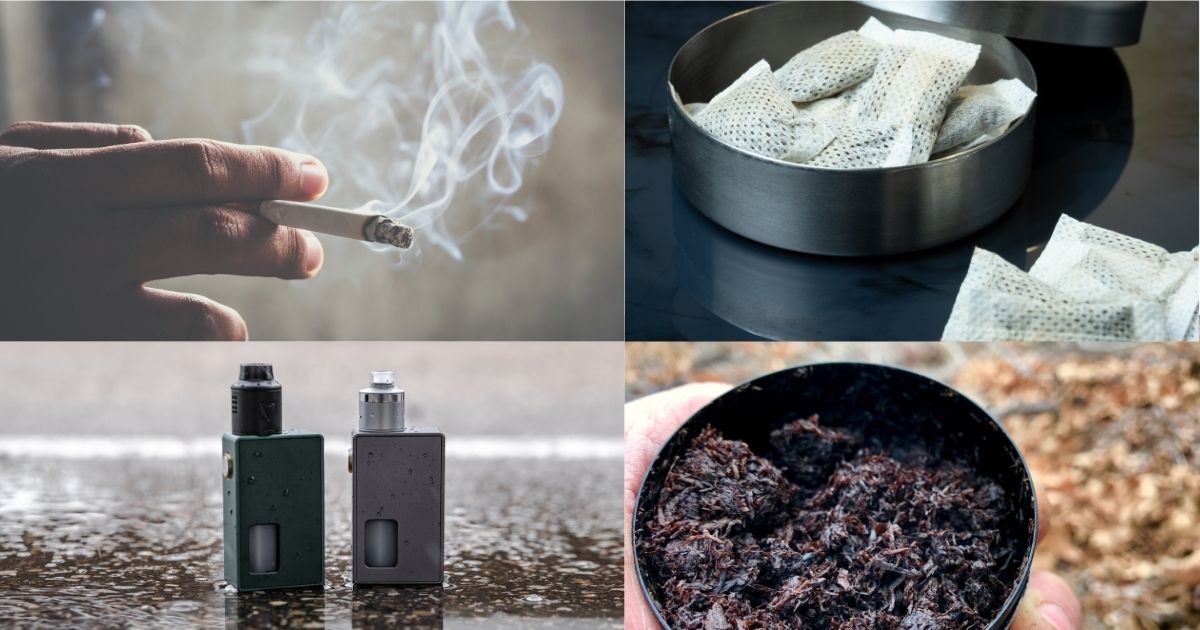
The addictive nature of nicotine makes it one of the most difficult substances use disorders to overcome. People often transition from one form of nicotine use to another as they attempt to reduce their usage or quite altogether. At the same time, they are constantly bombarded by targeted marketing ads, some of which may lead them to believe that “everyone is doing it” or that a different form of the drug may be “less harmful.” Big Tobacco certainly knows what it’s doing–all of the ads can trigger a craving in someone who is trying to quit nicotine usage, making the goal more difficult to obtain.
While many resources regarding cessation over the past few years have shifted from being tobacco-focused to being vape-focused, it cannot be ignored that pouches such as Zyn have become exceptionally popular as well, with Tik Tok “Zynfluencers” leading the charge. The fact that there is a newer form of nicotine that is socially acceptable doesn’t make it safe. The chance of addiction is high for daily users of Zyn, simply because it contains nicotine.

We also know that the pouches contain sodium carbonate and sodium bicarbonate, which can corrode gum tissue, causing inflammation, recession, ulcers, lesions, tissue peeling, and/or raw spots. At this point, it is unclear exactly what health risks pouches pose, because they are so new to the market and there has been so little research completed. That being said, it is important to remember that nicotine itself, in any form, can cause nausea, stomach irritation, elevated heart rate, high blood pressure, and other health problems. Among teens and young adults, whose brains are still developing, nicotine may alter brain development, impacting attention and learning.
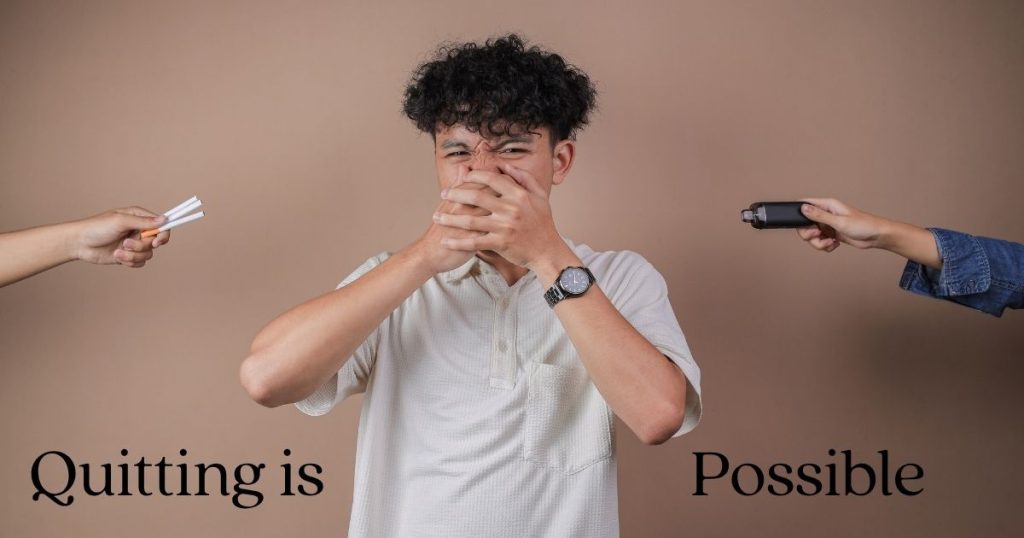
The Time to Quit is Now
The healthiest choice is to not use any type of nicotine product, but if you or someone you know is already using a nicotine product, and you’re ready to quit, check this resource from Virginia Foundation for Healthy Youth (VFHY) for a variety of cessation programs:
- EX Program
Text EXPROGRAM to 88709 to enroll
Flyers, palm cards, promotional materials also
available for purchase
Parents can text QUIT to 847-278-9715 to sign up
for text messages designed specifically for parents
of young people who vape - National Cancer Institute
NCI SmokeFree Initiative
NCI SmokeFree Text, DipFree Text
NCI Quit Vaping & Dip Resources
NCI SmokeFree Initiative on Instagram - Truth Initiative
This is Quitting – Text DITCHVAPE to 88709 to enroll - VCU Massey Cancer Center We CAN
(Conquer Addiction to Nicotine) Quit Program
Provides access to quit coaches, quit plans,
additional cessation resources. Call 804-628-0896 or
email engagemassey@vcu.edu. - Vape Free Virginia
- Quit the Hit
VFHY-funded free, 5-week vaping cessation program via Instagram direct messages (DM’s)
In addition to this list of cessation programs, the VFHY guide includes resources for educators, school administrators, prevention professionals, and community partners who want to learn more about tobacco and nicotine prevention and youth cessation. The topics include:
- Alternatives to Suspension
- Digital, Self-Paced Programs
- Educational Materials for Purchase
- Fact Sheets and Multimedia Resources for Educators
Warren Coalition is a VFHY grant recipient. The grants help fund the DEALS HOPE drug education programs in local schools as well as Project WAHOO.
Additional Resources
https://www.scientificamerican.com/article/the-health-effects-of-fda-authorized-zyn-nicotine-pouches
https://www.nbcnews.com/health/health-news/zyn-nicotine-pouches-tobacco-free-health-harm-rcna157214